
Fin: With ‘The Road Between Us,’ TIFF violates my “show all the films” rule
Plus: Embiidsknees76!!!, Hard Knocks is boring, two Marty movies, a great podcast episode, and more in this week’s notes column.

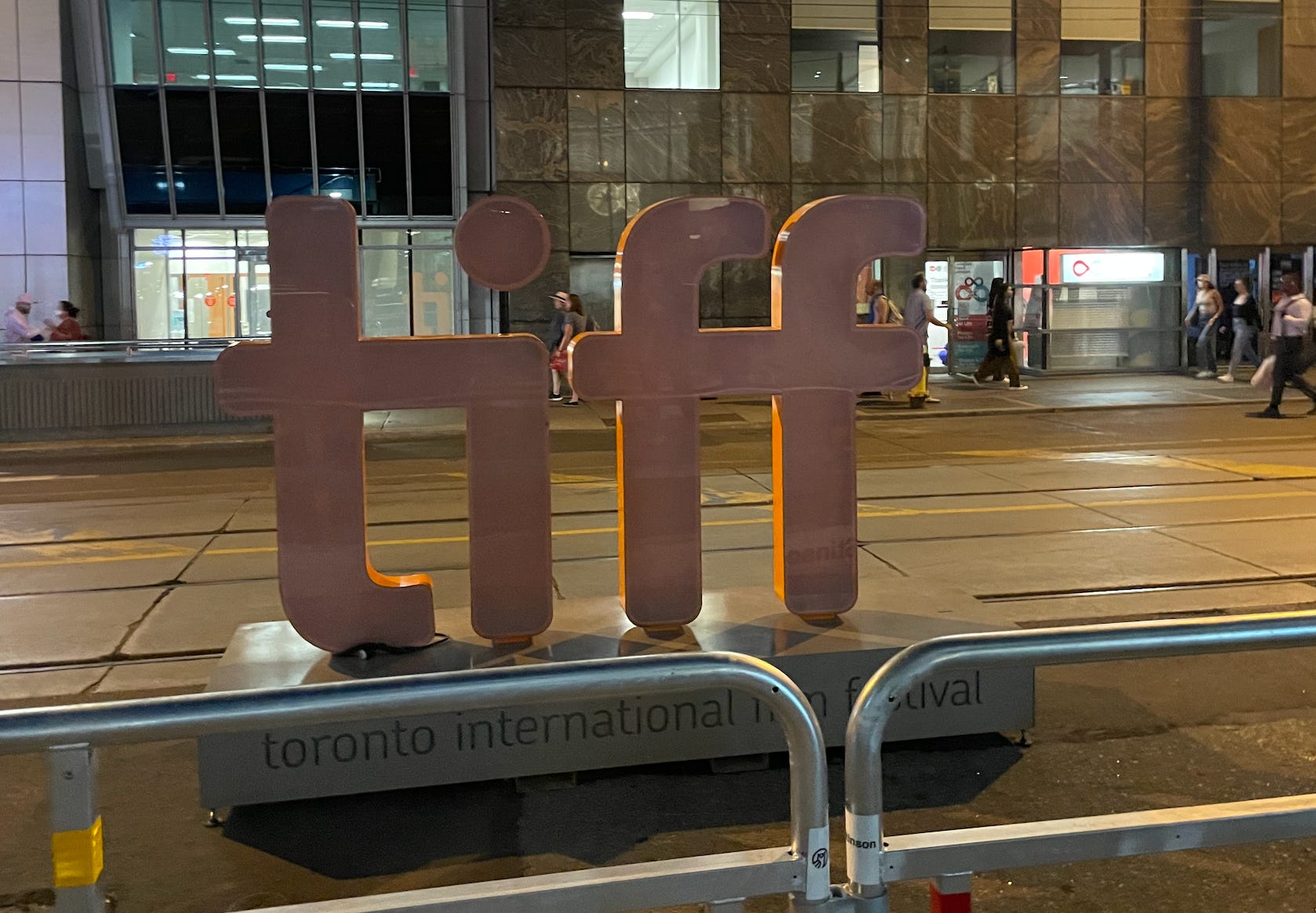
Back in January, after there had been a couple of high-profile incidents of movie theaters or film festivals cancelling their showings of films due to political pressure, I tried to come up with a unified theory of such incidents: I called it “Team Show All the Films.”
I propose the Show All the Films Doctrine as a nonpartisan, nonideological, pro-speech, and pro-art framework for what cinematic institutions should do when a film has been scheduled and the programmers are facing political pressure to cancel it: Say no, hold the line, and show the film anyway.
Showing a film should not be seen as a full-on endorsement of the political views of the filmmakers or the film itself, but rather a vote of confidence in the right to show it. But showing and going to see films with which we disagree is better for the world, and better for understanding, than not showing them or seeing them.
There are limits, of course. If a film festival were to program, say, an All-Star Tribute to Harvey Weinstein, or a movie that was fully plagiarized or defamatory or advocated for Holocaust denial, I might have a bit more sympathy for boycott efforts. If a theater is going to host a many-times-accused sex pest like Kevin Spacey, I’m fine with objections to that, as happened in Philly last year, although that was more about his presence than the content of the film he was promoting.
There’s also something called discernment and curation. It’s up to programmers to make good choices about what to select for film festival lineups. But once those decisions are made, it’s not right, and very much censorious, for pressure to be brought to take those movies off the schedule.
This has come into play various times in the last couple of years, especially for films associated with one side or the other of the Israeli-Palestinian conflict: the mayor of Miami Beach threatened to pull the lease of a theater that was showing No Other Land.
Employees of the Alamo Drafthouse in New York threatened to walk out if the owners continued their engagement of September 5, the film about the media coverage of the 1972 Munich massacre. In the Philly suburbs, protesters demanded the Bryn Mawr Film Institute cancel an Israeli film, The Child Within Me, in the spring of 2024, before a court order got the screening reinstated, and earlier this year, there were pickets of the Hollywood premiere of Captain America: Brave New World, due to the prescence in the cast of Israeli actress Shira Haas.
Most of these protests have one thing in common: The people objecting, in almost every case, have not seen the film they’re protesting, and it’s not rare for them to miss key details about said film. It’s bad when activists do it, but it’s very bad when it’s the government doing it.
Another example was last year, when the Toronto International Film Festival was set to show Russians at War, a documentary about Russian soldiers in the Ukraine war, and it was met with protesters from both activists and elected officials, who called the film pro-Russian propaganda. Due to security concerns, the North American premiere was postponed to after the festival was over.
I saw the film, reviewed it, and wrote about the whole affair this week; in short, the film was far from Russian propaganda, and seeking its cancellation was disgraceful. And now, that very same festival is dealing with another brouhaha of a film cancellation controversy.
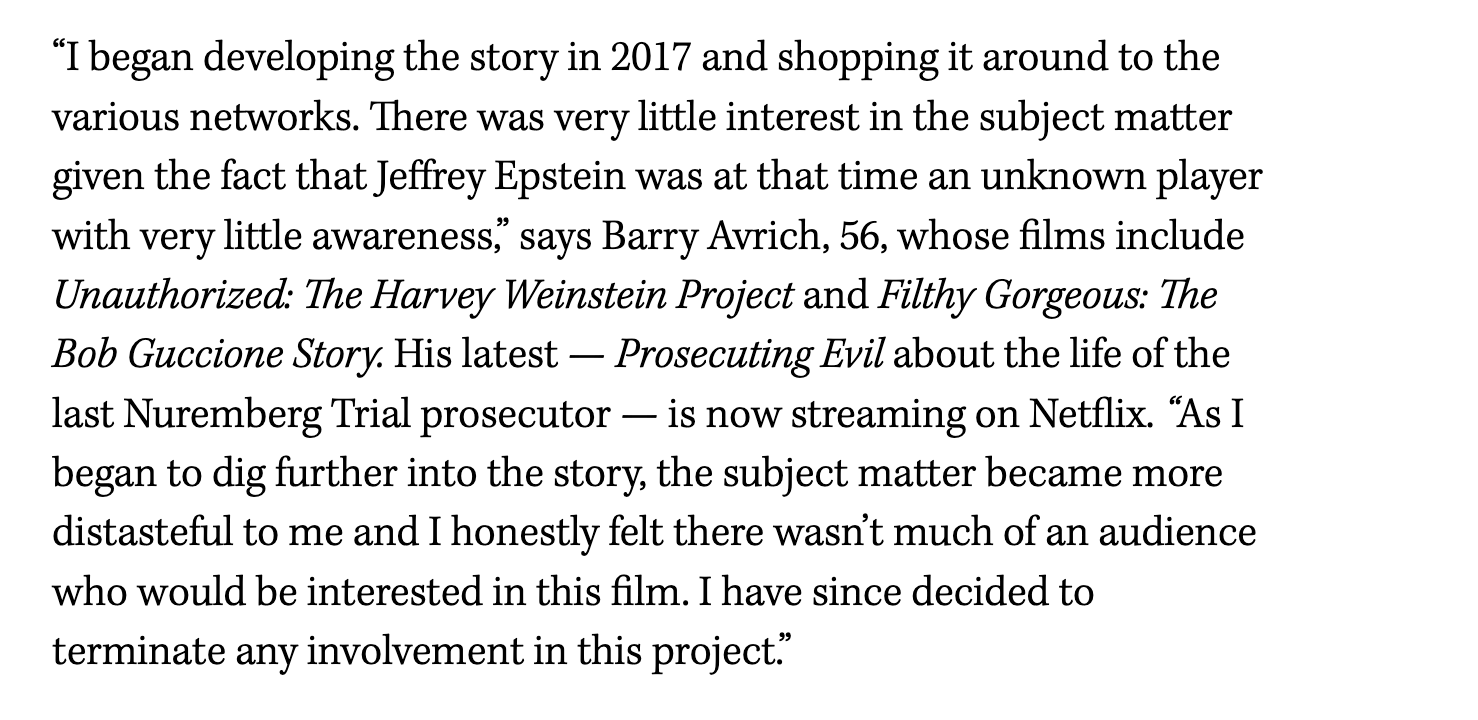
It’s a whole complicated and sordid affair, with different people alleging different things, but let’s try to parse it out: According to a Deadline story on Tuesday, the film is called The Road Between Us: The Ultimate Rescue, and it comes from Canadian filmmaker Barry Avrich. It’s a documentary about October 7, and a retired IDF general named Noam Tibon, who rescued several people, including his granddaughters, during the attacks that day. Avrich, the director, was long a board member of TIFF.
A TIFF spokesperson told Deadline that day that the film “was withdrawn by TIFF because general requirements for inclusion in the festival, and conditions that were requested when the film was initially invited, were not met, including legal clearance of all footage.” Also listed as a reason was “to protect TIFF from legal implications and to allow TIFF to manage and mitigate anticipated and known risks around the screening of a film about highly sensitive subject matter, including potential threat of significant disruption.”
Also reported? TIFF had requested that the filmmakers change the title of the film, from Out of Nowhere: The Ultimate Rescue- something I have never, in many years of covering film festivals, have ever heard of before. (I’ve covered TIFF in the past, including once in person, but I’m not covering it this year, for reason unrelated to the controversy.)
The implication of the second thing was, clearly, to avoid a repeat of the Russians at War situation: Protests, or perhaps even threats, should the film go ahead.
As for the first thing? It was widely interpreted as the filmmakers not having obtained legal clearances for footage streaming by Hamas on October 7, which seemed odd- are they expected to obtain permission from a terrorist organization?
Plus, in the last two years I’ve seen about a half-dozen documentaries that have included that very Hamas-shot footage- however that was handled, I don’t know why these filmmakers couldn’t handle it the way they did. Did the rights pass at some point to a third party — the Israeli government, would be my first guess — who controlled footage that the filmmakers failed to clear? This part remains pretty opaque.
The New York Times, the next day, reported that the filmmakers were accusing TIFF of “censorship.” Cameron Bailey, the film’s CEO, said in the Times story that he was working with the filmmakers to make it compliant.
And then, Thursday, the film was back in the lineup.
“We have worked together to find a resolution to satisfy important safety, legal and programming concerns. We are please to share that The Road Between Us: The Ultimate Rescue will be an official TIFF selection at the festival this year, where we believe, it will contribute to the vital conversations that film is meant to inspire,” Bailey and the director, Avrich, said in a joint statement.
And now… multiple people on social media have declared that TIFF is promoting “genocide propaganda.” I don’t know that the film — which appears to be entirely about October 7 — is that, and neither do you, because you haven’t seen it.
So this situation had a positive outcome, and hopefully the screenings at the festival will go off without incident. I look forward to having a chance, at some point, to see the film, and I will judge it then, and not before. I trust that other stakeholders in that situation grant it that same courtesy.
Somehow, it’s not even the most controversial project that the director has been associated with…
Netflix password: EmbiidsKnees76!!!
The recent Naked Gun movie was a creative triumph all around; I barely know anyone who saw it who didn’t love it. And it continued right into the closing credits, bringing back the conceit from the old Naked Gun films of goofy jokes inserted into the credits.
One of those jokes, amid the real credits? “Netflix Password: Embiidsknees76!!” This reference to Philadelphia 76ers star Joel Embiid and his many knee injuries, seemed to indicate that someone associated with the film’s creative team is a Sixers fan.
Keep reading with a 7-day free trial
Subscribe to The SS Ben Hecht, by Stephen Silver to keep reading this post and get 7 days of free access to the full post archives.