
‘Wuthering Heights’ is a streamlined and very horny Brontë adaptation
Emerald Fennell’s third film is a naughty and audacious literary adaptation, although not quite on the level of her first two films.

A couple of weeks ago, I heard some grumbling among film critics that, for a press event related to Emerald Fennell’s new adaptation of Wuthering Heights, influencers had been invited in place of critics.
My reaction? They certainly weren’t going to invite literary scholars.
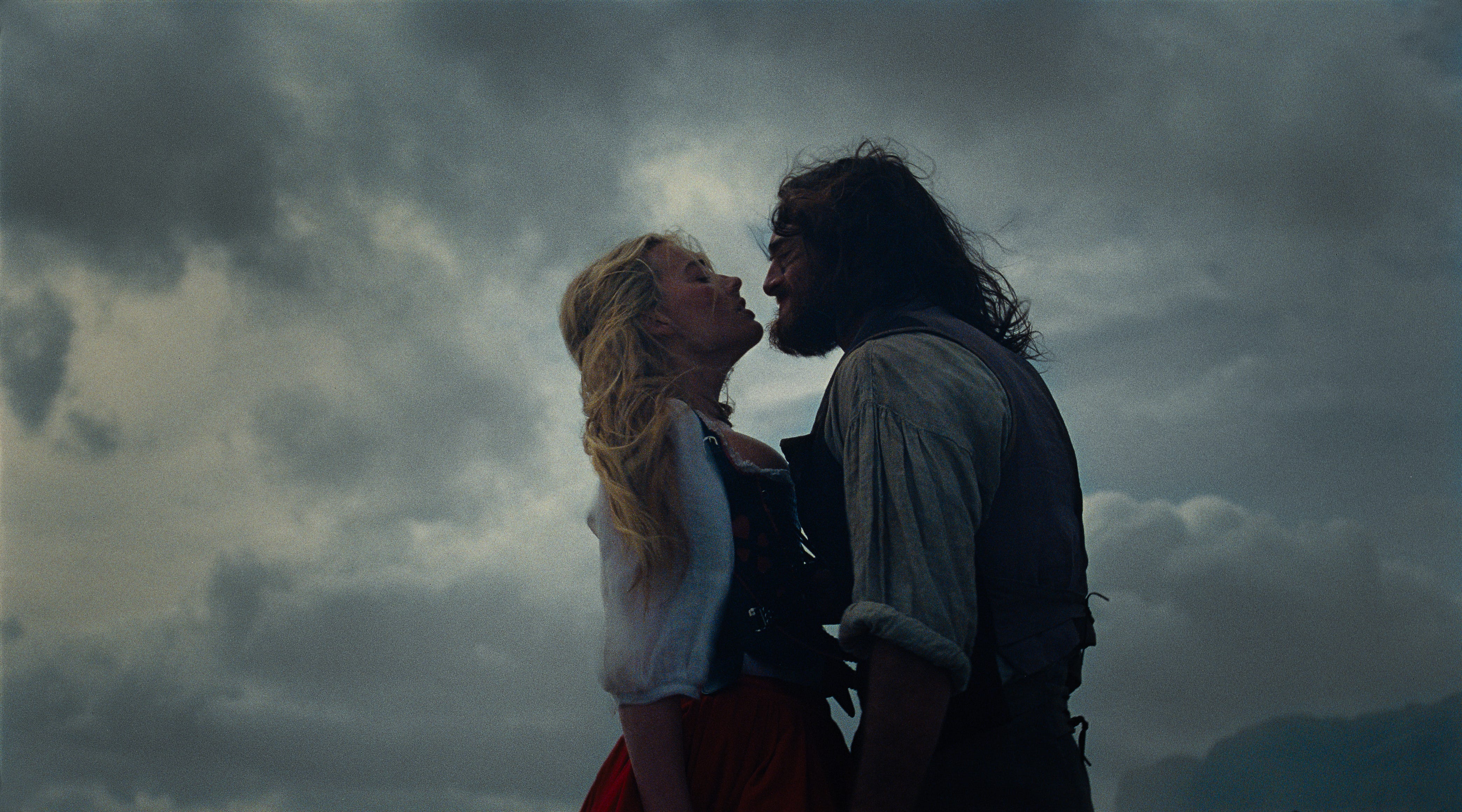
Fennell’s Wuthering Heights — stylized with quotation marks around the title — is loosely based on Emily Brontë’s 1847 novel, and the word “loosely” is doing a lot of work there. Numerous characters and subplots have been excised, including much of the second half of the book, and a great deal of subtext has been made into text. Also, and perhaps unsurprisingly for this director, it’s added a lot of sex.
Yes, it’s audacious and required a lot of chutzpah. The film does most of the peripheral things right- the production design is amazing, really creating a sense of place in the Yorkshire Dales. The costumes are first-rate, with Margot Robbie’s corsets practically serving as the third lead (the phrase “heaving bosoms” comes to mind throughout). The original songs by Charli XCX, while a counterintuitive choice, prove a fantastic fit.
All that said, I liked Wuthering Heights but didn’t love it. It’s going for pure go-for-broke, but doesn’t quite achieve it in the way that Fennell’s previous film, Saltburn, did.
The film stars Margot Robbie as Catherine (called “Cathy”) and Jacob Elordi as Heathcliff. The two meet as children, when Catherine’s drunken lout of a dad (Martin Clunes) takes the foundling Heathcliff in and dotes on him (he’s played as a child by Inheritance award winner Owen Cooper). The two then fall into a complex relationship that lasts the rest of their lives, even after Catherine marries wealthy neighbor Edgar Linton (Shazad Latif).

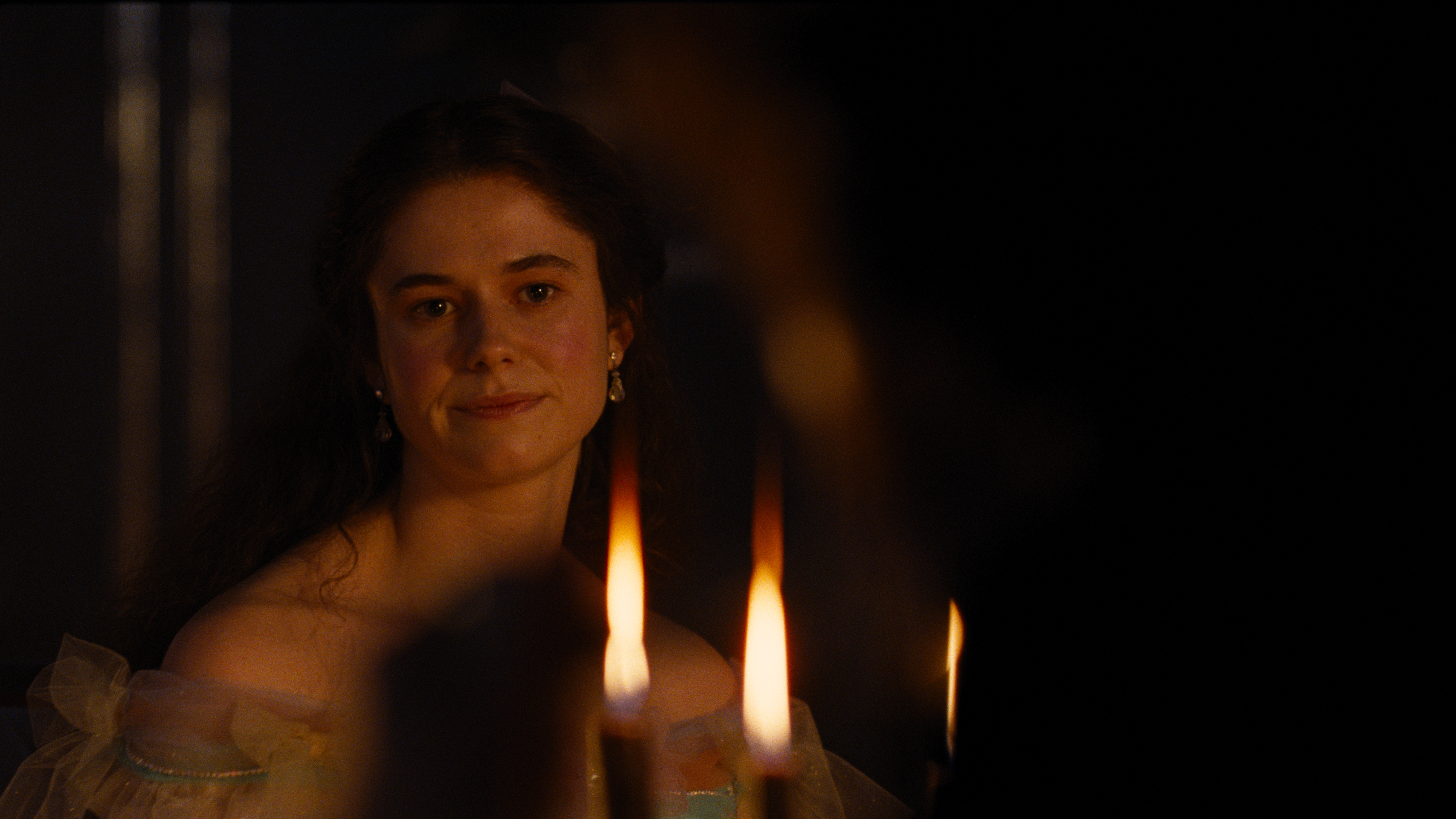
The other major character is Isabella (Alison Oliver), Edgar’s ward, who gets mixed into the dynamic in a particularly twisted way.
While Elordi and Robbie are both fantastic performers whose chemistry is electric, it’s Oliver — who played Elordi’s sister in Saltburn, and also a Delco cop on HBO’s Task – who walks away with the movie. I also enjoyed Clunes as the drunk dad, who gets progressively more grotesque throughout the film.
There’s lots of sex, a ton of mind games, and a great deal of relationship dynamics that thread the line between consensual BDSM and full-on abuse. Although Pillion, also out this month, finds a more intriguing way in when it comes to those sorts of themes.
Wuthering Heights arrives with a lot of pre-release critiques, mostly leveled by those who haven’t seen it, which were totally off the mark.
No, it’s not presented as a pure, aspirational love story- the film is certainly aware that the dynamic between Catherine and Heathcliff is twisted. No, it’s not some kind of outrage to cast a white man as Heathcliff, and if it is, it’s also been done by almost every other adaptation in history. And no, I have no patience for anyone who chooses to review Emerald Fennell’s socioeconomic background, in place of reviewing her movies. Once again: All of these are opinions that can safely be disregarded, mostly because they don’t require a person actually to see the movie.
Wuthering Heights has been adapted numerous times over the years, with all sorts of different emphases and settings; I don’t claim to have seen all or even most of them. For some reason, I remember a 2003 MTV version, which in the tradition of Clueless was set in a California high school and featured Erika Christensen and Katherine Heigel, as well as theme music by Jim Steinman (!), who was inspired by the “Wuthering Heights” novel (!!) to write the Celine Dion song “It’s All Coming Back to Me Now.”